
Pick an academy that gives you balanced theory and lots of bench time across breeds, with clear modules on anatomy, safety, salon workflow, and breed-specific trims dog grooming class. Check that equipment is modern and maintained, class sizes are small, and you’ll get steady live-model practice plus progressive assessments. Verify instructors’ salon credentials and mentorship availability, confirm accreditation and career support, and compare costs, schedules, and payment options. Keep going to get the detailed checklist that helps you choose confidently.
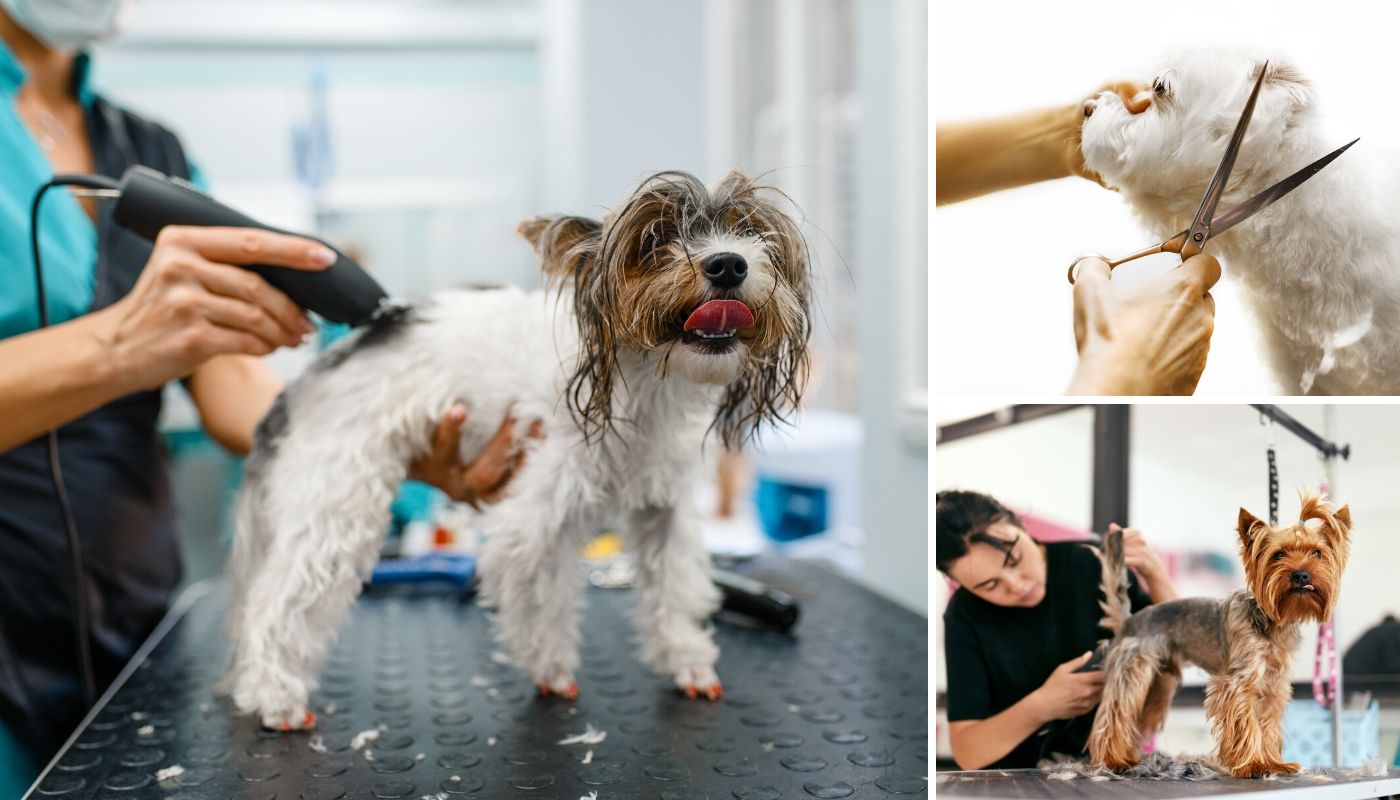
What to Look for in a Grooming Curriculum
When you’re evaluating a grooming curriculum, focus on whether it teaches both foundational theory and hands-on skill development—an effective program balances animal anatomy, breed-specific standards, safety and sanitation, client communication, and plenty of supervised practical grooming. You’ll want clear modules on breed specific styling that cover proportions, coat types cosmos pet universe, and show versus pet trims, so you can adapt technique without guessing. Confirm the course includes animal nutrition basics tied to coat health and behavior, because feeding influences grooming outcomes. Look for progressive assessments that build independence, not just repetition, and instructors who critique with actionable guidance. Choose a curriculum that emphasizes safe client interactions, business fundamentals, and continuing education paths so you’ll gain competence and the freedom to craft your own career.
Evaluating Hands-On Training and Facilities
In deciding if a grooming school will truly prepare you, inspect their hands-on training and facilities with the same critical eye you’d use on a client’s coat: look for consistent access to live models, up-to-date equipment, and instructors who actively coach during real sessions. You’ll want ample bench time where you practice full grooms, not just demos, and a steady rotation of breeds so you build breed specific skills. Check that tubs, tables, dryers and clippers are maintained and similar to what you’ll use in the field, including setups for mobile grooming if that’s your goal. Test workflow: does the space support efficient movement, safety, and sanitation? Choose a program that lets you practice independently while supervisors intervene only to correct technique.
Instructor Qualifications and Mentorship Opportunities
Although solid facilities and bench time build skill, your true growth hinges on the instructors guiding you—so verify their credentials, real-world experience, and teaching track record. You’ll want mentors who’ve handled diverse breeds and mastered breed specific techniques, not just textbook trims. Ask about portfolios, years in professional salons, competition experience, and client references so you can trust their judgment.
Look for programs that pair you with a dedicated mentor during hands-on sessions and offer follow-up support after graduation. Mentorship should feel practical and liberating: you’ll gain confidence to make stylistic choices and solve problems independently. Finally, confirm instructors value continuing education and update curricula — that guarantees your skills stay current and marketable as trends evolve.
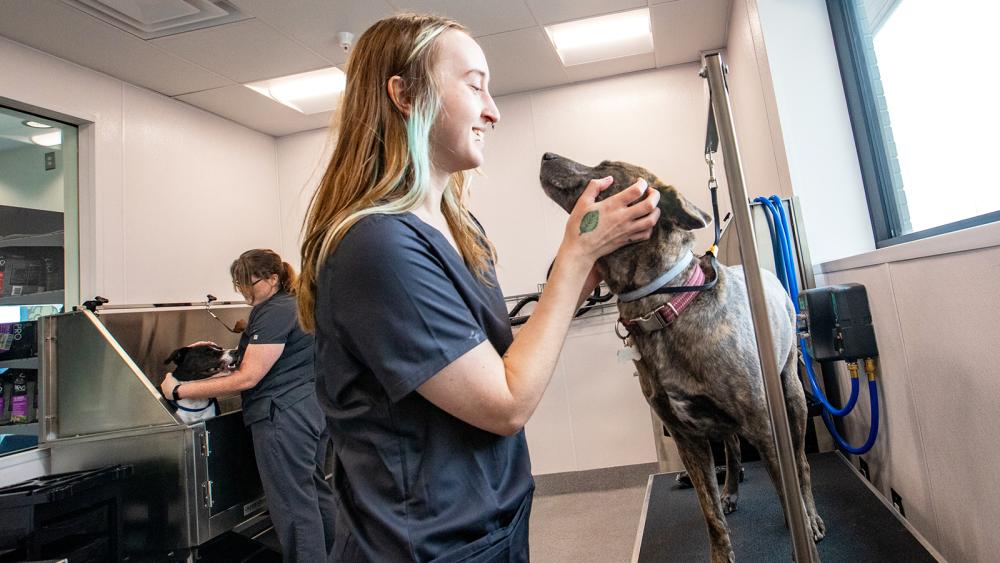
Accreditation, Certifications, and Career Support
Beyond strong instruction and mentorship, you’ll want to confirm a program’s formal recognition and the credentials it helps you earn. Look for accreditation that aligns with industry standards so your certificate holds weight with employers and clients. Ask which certifications the school prepares you for and whether exams are proctored on-site or supported remotely. Check for continuing education options that let you expand specialties without being tied down—workshops, online modules, and advanced clinics. Evaluate placement services and ask for recent placement rates and employer partnerships so you can move directly into work or freelance with confidence. Finally, tap into the alumni network to gauge real-world outcomes and mentorship beyond graduation; a strong network fuels freedom and upward mobility.
Cost, Schedule, and Class Size Considerations
When you’re comparing programs, weigh tuition against schedule flexibility and class size so you know the education fits your life and learning style. Look beyond base tuition to equipment costs and supplies you’ll need; some schools bundle kits, others expect you to buy independently. Ask about payment plans so you can spread cost without sacrificing momentum. Prioritize flexible scheduling and class availability if you travel, work, or value autonomy—you’ll learn faster when timing suits you. Smaller classes give hands-on time and mentor access; larger ones may cut per-hour cost but limit practice. Visit during class, observe student-to-instructor ratios, and confirm make-up options for missed sessions. Choose the program that funds your freedom to learn effectively and live on your terms.
Conclusion
Choosing the right grooming academy sets the foundation for your career, so trust your instincts while checking facts. Pick a program with a strong curriculum, ample hands-on time, experienced instructors, and recognized credentials. Confirm practical resources, reasonable class sizes, and clear career support. Balance cost and schedule against quality, then visit and ask hard questions. Commit to a school that challenges you, supports your growth, and prepares you to groom safely and confidently.