
Material testing serves as the foundation for guaranteeing the solidity of structural frameworks, a pivotal component in the realm of construction universal testing machine. By meticulously scrutinizing the properties and endurance levels of materials through an array of tests, potential weaknesses that could compromise the integrity of a structure are unveiled. Consequently, the adherence to stringent testing protocols outlined by reputable organizations is paramount in ensuring the selection of appropriate materials for construction projects. This meticulous approach not only safeguards against structural failures but also sets the stage for a discourse on the evolving landscape of material testing in the construction industry.
Importance of Material Testing
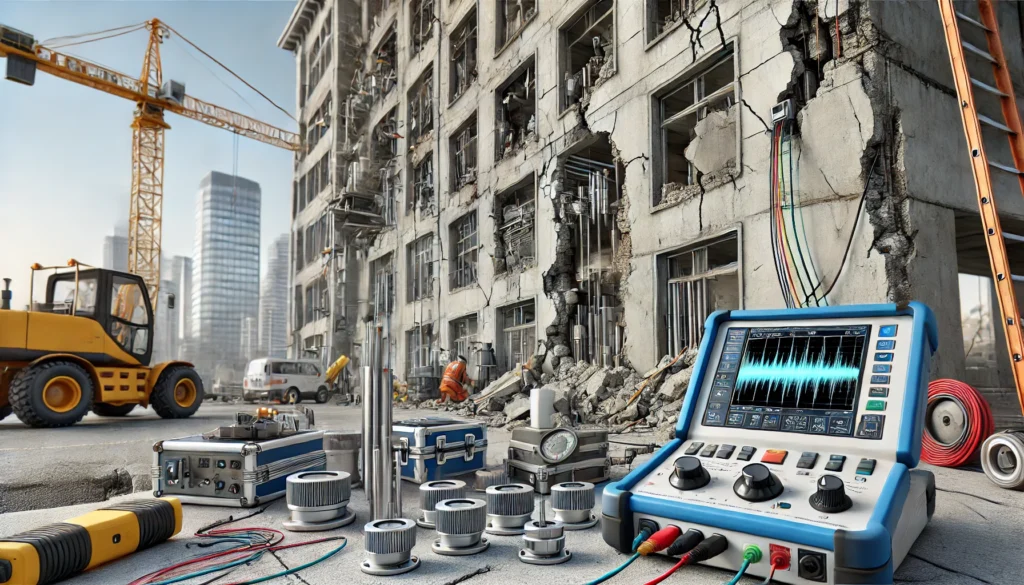
Material testing is a crucial step in ensuring the structural integrity of various components in engineering and construction projects. By subjecting materials to rigorous testing procedures, engineers can evaluate their mechanical properties, durability, and suitability for specific applications universal testing machine manufacturer. The importance of material testing lies in its ability to identify potential weaknesses or defects that could compromise the safety and reliability of a structure. Through precise analysis and evaluation, material testing helps in selecting the right materials for the intended purpose, ensuring that they meet the required standards and specifications.
Moreover, material testing plays a vital role in quality control during the manufacturing process. It helps in verifying that the materials used meet the necessary criteria for strength, flexibility, and resistance to environmental factors. This detailed scrutiny is essential for preventing structural failures, optimizing performance, and extending the lifespan of engineering projects. Ultimately, material testing is a fundamental aspect of ensuring that structures are built to last, providing confidence in their long-term stability and safety.
Types of Material Tests
Various methods are utilized in engineering and construction projects to conduct tests on materials to evaluate their properties and performance.
Some common types of material tests include tensile testing, which measures the strength of a material by applying a pulling force until it breaks. Compression testing is another method that assesses a material’s ability to withstand compressive loads.
Hardness testing determines the resistance of a material to deformation, while impact testing evaluates how well a material can absorb sudden shocks.
Fatigue testing is crucial for assessing how a material performs under repeated loading over time. Additionally, creep testing examines how a material deforms under constant stress levels.
Thermal testing helps understand how materials respond to temperature changes, and corrosion testing assesses a material’s resistance to environmental factors.
Each type of test provides valuable insights into the behavior of materials, aiding in the design and construction of safe and reliable structures.
Testing Procedures and Standards
To ensure the accuracy and reliability of material testing results, adherence to specific testing procedures and standards is imperative in engineering and construction projects. Testing procedures encompass a series of steps that must be meticulously followed to obtain precise data regarding the material properties under investigation. These procedures often include sample preparation, test execution, data collection, and analysis.
Standards, on the other hand, serve as benchmarks for comparison, ensuring that the testing methods are consistent and universally accepted. In the field of material testing, standards such as ASTM International, ISO, and ANSI provide guidelines for conducting tests on various materials like metals, concrete, and polymers. Following these standards guarantees that testing is conducted in a systematic and uniform manner, allowing for accurate comparison of results across different laboratories and projects.
Impact on Structural Design
The evaluation of design efficiency plays a crucial role in determining the overall structural performance and integrity of a material.
By assessing how materials respond to different testing procedures and standards, engineers can ensure that structural designs meet safety regulations and performance expectations.
This process of material testing directly influences the decisions made during the design phase, ultimately impacting the structural integrity of the final product.
Design Efficiency Evaluation
In evaluating structural design efficiency, a critical analysis of the material’s performance under varying conditions is essential. Design efficiency evaluation involves assessing how well a structure fulfills its intended purpose while optimizing material usage. By examining factors such as load-bearing capacity, durability, and environmental impact, engineers can determine the most efficient design for a given application.
Utilizing advanced simulation techniques and real-world testing, design inefficiencies can be identified and rectified, leading to cost savings and enhanced structural performance. Additionally, considering factors like sustainability and life-cycle analysis in the design phase can further improve overall efficiency.
Ultimately, an in-depth evaluation of design efficiency ensures that structures are not only safe and reliable but also optimized for performance and longevity.

Structural Performance Assurance
Ensuring structural performance assurance is fundamental in shaping the design integrity of any construction project. It influences its safety, reliability, and longevity. By conducting thorough material testing to assess factors like load-bearing capacity, durability, and resilience to environmental stresses, engineers can optimize the structural design.
This assurance directly impacts the choice of materials, construction techniques, and overall project feasibility. Through detailed analysis and testing, potential weaknesses or vulnerabilities in the structure can be identified and addressed proactively, mitigating risks of structural failure in the future.
Ultimately, structural performance assurance ensures that the design meets industry standards, regulatory requirements, and client expectations, guaranteeing a structurally sound and durable construction that stands the test of time.
Detection of Material Defects
Through advanced testing methods, material defects can be precisely identified to ensure structural integrity. Non-destructive testing techniques such as ultrasonic testing, radiographic testing, and magnetic particle inspection play a crucial role in detecting internal and surface defects in materials.
Ultrasonic testing uses high-frequency sound waves to detect flaws like cracks, voids, and inclusions by analyzing the reflected waves. Radiographic testing involves the use of X-rays or gamma rays to reveal internal defects such as porosity, inclusions, or cracks.
Magnetic particle inspection is effective in detecting surface-breaking defects in ferromagnetic materials by applying magnetic fields and iron particles to identify discontinuities. These testing methods enable engineers to pinpoint material defects early on, preventing catastrophic failures in structures.
Role in Quality Assurance
Quality assurance in material testing plays a pivotal role in maintaining the structural integrity and reliability of components in various industrial applications. By conducting rigorous quality assurance tests, material testing ensures that the materials used meet the required standards and specifications for a particular application. These tests help identify any potential issues early in the production process, preventing costly failures or malfunctions down the line.
One key aspect of quality assurance in material testing is the verification of material properties such as strength, hardness, and durability. By accurately assessing these properties, manufacturers can ensure that the materials used are capable of withstanding the demands placed upon them during operation.
Moreover, quality assurance in material testing helps in identifying any inconsistencies or defects in the materials that could compromise the structural integrity of the final product. This proactive approach to quality control minimizes the risk of structural failures and enhances the overall safety and performance of the components in various industrial settings.
Ensuring Long-Term Durability
With a focus on long-term performance and reliability, meticulous attention to material properties is essential in ensuring the durability of structural components in diverse industrial applications. Long-term durability is a critical factor in the design and construction of structures as it directly impacts safety, maintenance costs, and overall lifecycle. Material testing plays a crucial role in evaluating the durability of materials under various environmental conditions, loads, and stresses they may encounter during their service life.
Durability testing involves subjecting materials to accelerated aging tests, corrosion resistance assessments, fatigue tests, and exposure to harsh environmental conditions to simulate real-world scenarios. By analyzing how materials degrade over time, engineers can make informed decisions about their long-term performance and select materials that will withstand the test of time. Understanding the degradation mechanisms allows for the development of mitigation strategies to extend the lifespan of structural components and minimize the risk of unexpected failures. Ultimately, ensuring long-term durability through rigorous material testing is paramount in maintaining the structural integrity of industrial assets.
Material Testing in Construction Projects
In the realm of construction projects, material testing serves as a cornerstone in ensuring the structural integrity and reliability of built environments. Material testing in construction projects involves evaluating the properties and characteristics of various construction materials to determine their suitability for specific applications. This process helps identify any potential weaknesses, defects, or inconsistencies in the materials that could compromise the overall quality and safety of the structure.
Through material testing, construction professionals can assess factors such as strength, durability, elasticity, and thermal properties of materials like concrete, steel, wood, and composites. By conducting tests such as compression tests, tensile tests, and impact tests, engineers can gather essential data to make informed decisions about the selection and use of materials in construction projects.
Moreover, material testing in construction projects helps ensure compliance with industry standards, building codes, and regulations, ultimately contributing to the longevity and performance of structures. It provides valuable insights that enable construction teams to mitigate risks, optimize designs, and deliver high-quality, safe, and sustainable built environments.
Future Trends in Material Testing
The advancement of material testing is witnessing a shift towards emerging technologies that offer more precise and efficient testing methods. Automation is becoming increasingly prevalent in material testing processes, streamlining procedures and enhancing accuracy.
These trends are reshaping the landscape of material testing, paving the way for more sophisticated and reliable testing practices in the future.
Emerging Testing Technologies
Advancing rapidly in the realm of materials science are innovative testing technologies poised to revolutionize the assessment of structural integrity.
One such technology gaining traction is non-destructive testing (NDT), offering methods like ultrasonic testing, radiography, and thermal imaging. These techniques enable the evaluation of materials without causing damage, providing valuable insights into internal structures and flaws.
Additionally, digital image correlation (DIC) is emerging as a powerful tool for studying material behavior under various conditions by tracking surface deformations.
Furthermore, the use of artificial intelligence (AI) algorithms in material testing is enhancing data analysis capabilities, allowing for more accurate predictions of structural performance.
Embracing these emerging technologies promises to elevate the efficiency and accuracy of material testing processes, ensuring the integrity of structures for years to come.
Automation in Testing
Automation in material testing is rapidly shaping the future of structural integrity assessments through the integration of advanced robotic systems and AI-driven processes. This automation streamlines testing procedures, enhancing efficiency, accuracy, and consistency in evaluating material properties.
Robotic systems can conduct repetitive tasks with precision, reducing human error and increasing data reliability. AI algorithms analyze vast amounts of data quickly, identifying patterns and anomalies that may go unnoticed by manual inspection.
Furthermore, automation enables continuous monitoring, providing real-time feedback on structural health. As technology advances, the integration of automation in material testing will play a crucial role in ensuring the safety and reliability of structures, driving innovation in the field of structural integrity assessments.
Conclusion
In conclusion, material testing plays a crucial role in ensuring structural integrity in construction projects.
By adhering to specific testing procedures and standards, potential weaknesses or defects in materials can be identified early on, leading to enhanced safety and reliability in structures.
The importance of material testing in selecting the right materials, detecting defects, ensuring quality assurance, and ensuring long-term durability cannot be overstated.
Material testing will continue to evolve to meet the demands of future construction projects.